Have you ever watched your dog sleeping peacefully, only to notice their legs twitching, paws paddling, or faint whimpers escaping? These adorable moments might leave you wondering—what’s going on in your dog’s dreams? Do dogs really dream like humans, and if so, what adventures might they be having while asleep?
The short answer is yes, dogs do dream.
Do Dogs Dream? Understanding the Science Behind It
Scientific research confirms that dogs experience dreams, much like humans. During sleep, dogs go through different stages, including a phase called Rapid Eye Movement (REM) sleep. This stage, where vivid dreaming occurs, is characterized by irregular breathing, eye movements under closed lids, and physical reactions like twitching or vocalizing.
Studies involving brain activity in sleeping dogs have shown patterns similar to human REM sleep. This suggests that dogs not only dream but may also replay experiences from their daily lives—whether that’s chasing a ball, running through a park, or interacting with their owners.
What Do Dogs Dream About?
While we may never fully know the intricacies of what unfolds in a dog’s mind during sleep, experts agree that their dreams are often a reflection of their daily lives and instincts. Much like humans, who dream about recent experiences or familiar interactions, dogs likely revisit their own routines, activities, and emotions while they sleep. Their dreams could be a colorful replay of their days, woven with instinctual behaviors and cherished moments.
Imagine a dog who spent the day joyfully chasing a ball in the park—it's not hard to picture them dreaming of the exhilaration of running, leaping, and capturing their prize. Breeds with strong, inherent instincts, such as Pointers or herding dogs, may dream of the behaviors that come naturally to them. A Pointer might mentally rehearse tracking or pointing at prey, while a herding dog could relive a scene of rounding up sheep or navigating a field.
Dogs are deeply connected to their humans, so it’s no surprise that their dreams may also feature their favorite people. Whether it’s reliving a heartwarming moment when they learned a new trick or savoring the memory of being rewarded with a treat, their dreams could be a reflection of the bonds they hold dear. Each wag of the tail or flick of a paw during sleep might just be their way of experiencing those cherished memories all over again.
The dreams of dogs are a fascinating glimpse into their emotional and instinctual worlds, offering us a reminder of just how rich and meaningful their lives truly are.
How Do Size and Age Affect Dog Dreams?
Interestingly, the size and age of a dog influence how frequently and how long they dream. Smaller dogs tend to have shorter, more frequent dreams, while larger dogs experience longer but fewer dreams. For example:
- A small breed like a Chihuahua may dream every 10 minutes, with each dream lasting a minute or two.
- A larger breed, such as a Golden Retriever, might dream every 60–90 minutes, with dreams lasting 5–10 minutes.
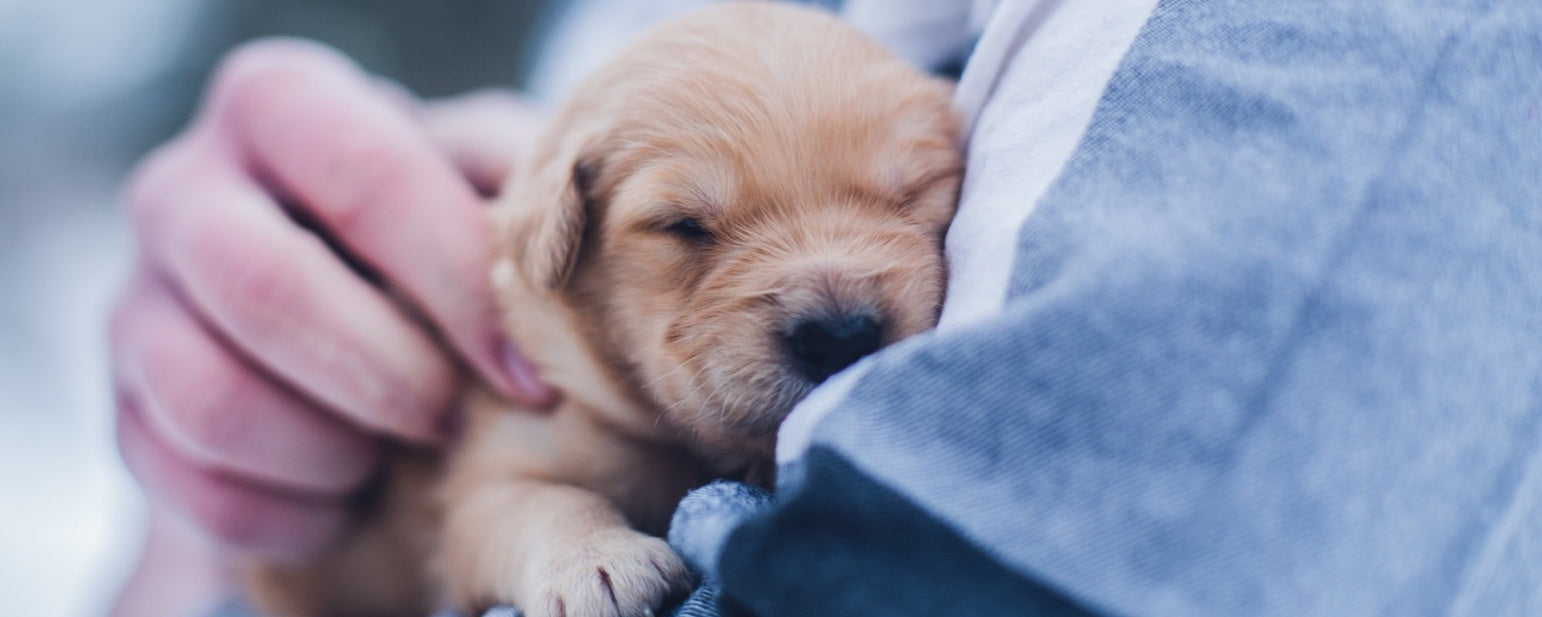
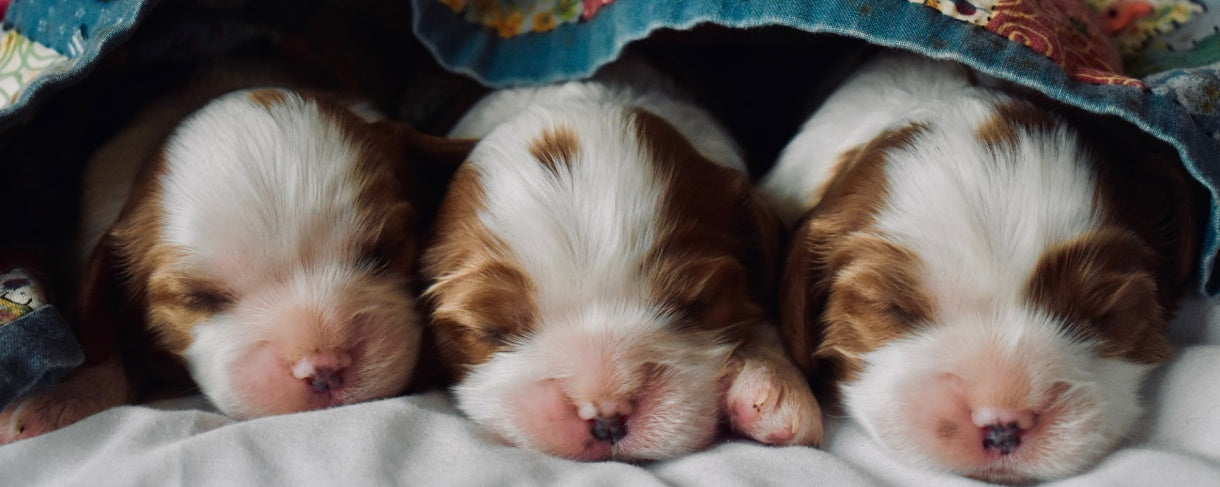
Age is also a factor. Puppies dream more frequently than adult dogs because their developing brains are processing large amounts of new information. This heightened mental activity results in frequent REM sleep cycles. On the other hand, senior dogs may experience fewer dreams as their cognitive processes slow down with age.
The Signs That Your Dog Is Dreaming
Dogs show clear signs when they’re dreaming, especially during REM sleep. About 20 minutes after falling asleep, their breathing becomes irregular, signaling the onset of this phase. Some telltale signs of dreaming include:
- Twitching and Paddling
- Eye Movements
- Vocalizations
- Facial Expressions
These behaviors indicate your dog is deeply engaged in a dream, likely reliving moments from their day.
Do Dogs Have Nightmares?
Not all canine dreams are pleasant. Just as humans can have nightmares, dogs might experience distressing dreams as well. Nightmares could be tied to traumatic experiences, stressful events, or fears. Signs of a dog experiencing a nightmare include:
- Whining or crying.
- Yelping or barking.
- Intense twitching or trembling.
It’s tempting to wake a dog from a nightmare, but experts advise against sudden awakenings. Waking a sleeping dog abruptly can lead to confusion or even defensive reactions. Instead, if you feel the need to comfort your dog, gently call their name or softly pet their back, allowing them to wake up gradually.
Why Understanding Dog Dreams Matters
Understanding your dog’s dreams not only offers a fascinating glimpse into their inner world but also helps you strengthen your bond with them and better interpret their behaviors. Dreaming is an indication of healthy brain activity, and recognizing these patterns ensures that your dog is getting the restorative sleep they need to thrive. To support their sleep quality, it’s essential to create a cozy and quiet sleeping environment where your dog feels secure and relaxed. Maintaining a consistent routine for feeding, exercise, and bedtime can further reinforce good sleep habits. Additionally, monitoring and minimizing stressors, such as loud noises or unfamiliar surroundings, can help your dog sleep soundly and wake up feeling refreshed and content. By fostering an environment conducive to healthy sleep, you contribute to your dog’s overall well-being.
When to Seek Professional Advice
If your dog exhibits unusual or concerning behaviors during sleep, such as violent movements or prolonged twitching, consult your veterinarian. Persistent sleep disturbances or signs of distress could point to underlying medical conditions that require attention.
Conclusion
The idea of dogs dreaming adds a layer of wonder to the already fascinating bond we share with them. Whether they’re replaying joyful moments from their day, imagining instinctual adventures, or simply enjoying some downtime, their dreams reveal a glimpse into their rich inner world.
Next time you catch your dog twitching, paddling, or softly barking in their sleep, take comfort in knowing they’re likely enjoying a vivid adventure. By understanding their dreams and ensuring they have a comfortable and secure sleep environment, you can support your dog’s well-being—both awake and asleep.