Welcoming pet fish into your home is a step into a fascinating aquatic world filled with unique behaviors, colorful displays, and soothing water movements. While fish are often perceived as low-maintenance pets, their care involves much more than simply providing food. The health and happiness of your fish depend on creating a balanced environment that supports their needs.
Essential Tips for Beginners
1. Choose the Right Tank
The tank is your fish’s entire world, so choosing the right one is crucial. Contrary to popular belief, most fish need more space than small bowls can provide. A larger tank not only offers more room to swim but also makes it easier to maintain stable water conditions. Beginners often find a 20-gallon tank to be manageable and suitable for a small community of fish. Remember, it’s better to go bigger whenever possible since larger volumes of water dilute waste more effectively and reduce fluctuations in water chemistry.
2. Invest in the Right Equipment
Your fish rely on you to create a clean, safe, and stable environment. Here’s a breakdown of the essential equipment you’ll need for a successful tank setup:
- Filter: The filter is responsible for removing debris, waste, and toxins from the water, keeping it clean and safe for your fish. Choose a filter appropriate for your tank size and the type of fish you have.
- Heater: Many fish, especially tropical species, need a consistent water temperature. A heater ensures stable temperatures and prevents harmful fluctuations. Always use a reliable thermometer to monitor water temperature.
- Lighting: Aquarium lights do more than showcase your fish—they also promote the growth of live plants and simulate a natural day-night cycle, contributing to fish health.
- Water Testing Kit: Regularly testing your water for pH, ammonia, nitrites, and nitrates helps you keep tabs on water quality, which is vital for your fish’s well-being.
3. Cycle the Tank Before Adding Fish
One of the most important steps in setting up a new tank is the nitrogen cycle. This process establishes beneficial bacteria that convert toxic fish waste (ammonia) into less harmful substances (nitrites and then nitrates). Cycling a tank can take several weeks, and it’s best to add fish only after water tests show that ammonia and nitrite levels are at zero. This process may seem lengthy, but it lays the groundwork for a healthy tank and prevents "new tank syndrome," which can be fatal to fish.
4. Understand Water Quality and Parameters
Water quality is the foundation of good fish care. Most fish have specific water parameter needs, including pH, temperature, and hardness. Research the specific needs of your fish species and use a water testing kit to monitor these levels regularly. Keep ammonia and nitrites at zero, and ensure that nitrate levels remain below 20-40 ppm. Stable water conditions help prevent stress and illness, promoting a thriving aquatic community.
5. Avoid Overcrowding
Overcrowding is a common mistake that can lead to stress, illness, and poor water quality. The general guideline is one inch of fish per gallon of water, but this can vary based on species. Some fish need more space to swim, while others produce more waste. Research the space requirements and behavior of each fish species to avoid overcrowding and ensure harmony in your tank.
6. Feed Your Fish Properly
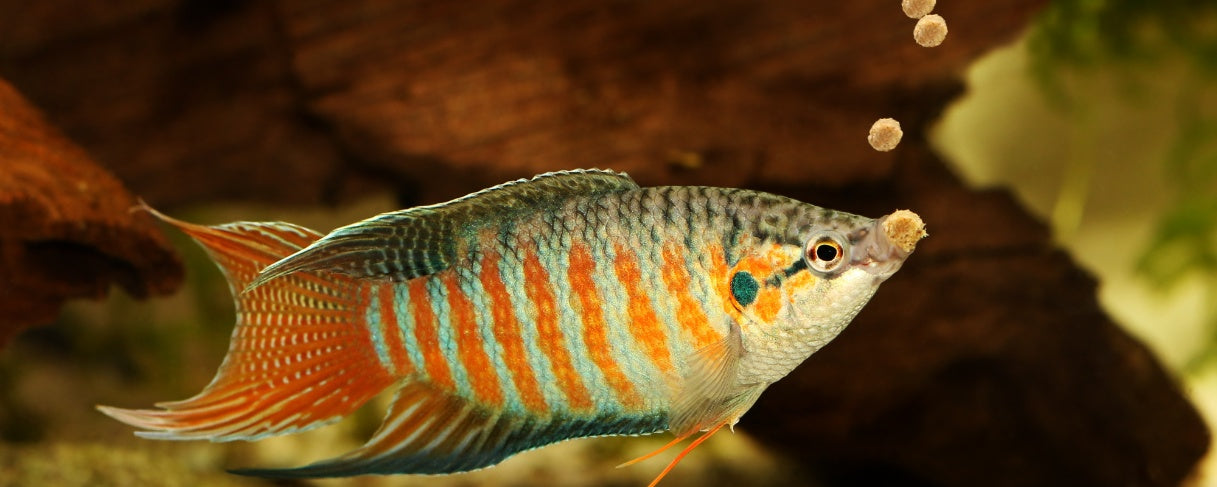
Proper feeding is key to keeping your fish healthy. Overfeeding is one of the most common mistakes new fish owners make. Uneaten food quickly decomposes, polluting the water and leading to poor water quality. Feed your fish small amounts once or twice a day—just enough for them to eat within 2-3 minutes. Provide a varied diet, including high-quality flakes, pellets, and, if applicable, live or frozen food to meet the nutritional needs of different species.
7. Clean the Tank Regularly
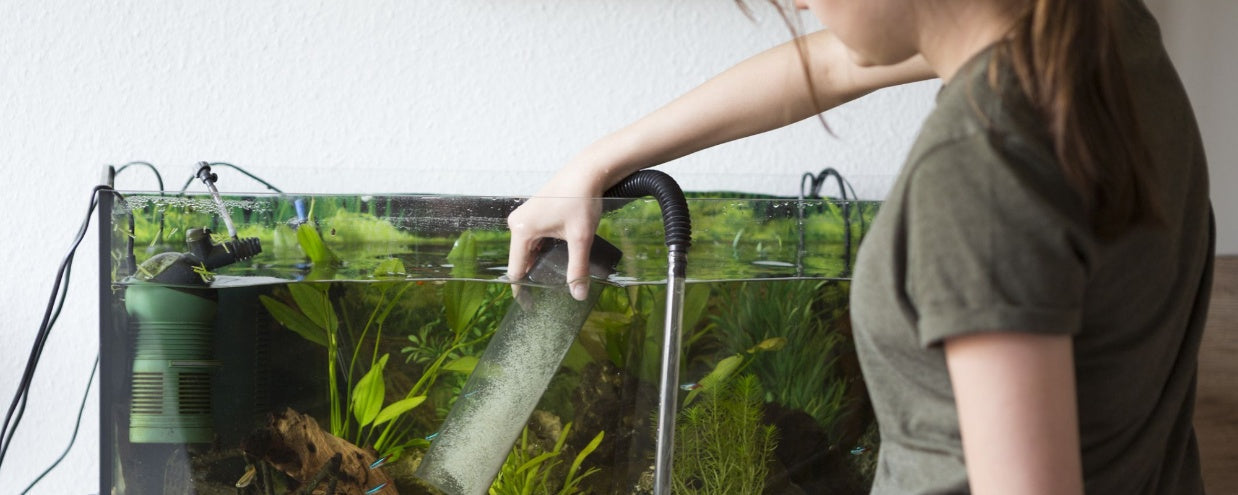
Routine maintenance is crucial to maintaining water quality. Perform weekly partial water changes of about 20-25% of the tank’s water. Use a gravel vacuum to remove debris from the substrate, and clean the glass to prevent algae buildup. Avoid using harsh chemicals when cleaning, as they can harm fish. Maintaining a clean tank environment ensures your fish stay healthy and stress-free.
8. Introduce New Fish Carefully
Adding new fish to your tank can be exciting, but it must be done carefully to avoid stress and disease transmission. When bringing home a new fish, float the bag containing the fish in your tank for 15-20 minutes to allow the temperature to equalize. Gradually add small amounts of tank water to the bag over 20-30 minutes before gently releasing the fish into the tank. This acclimation process reduces the risk of shock.
9. Monitor Fish Behavior and Health
Observing your fish’s behavior is one of the best ways to ensure their well-being. Healthy fish are active, have a good appetite, and interact with their environment. Watch for signs of stress or illness, such as changes in swimming patterns, loss of appetite, clamped fins, or unusual spots on the body. Quick intervention can prevent minor issues from becoming major health problems.
10. Create a Comfortable Environment
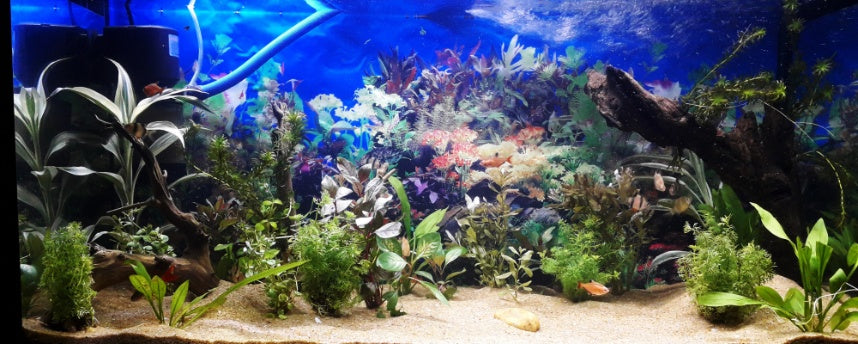
Fish can become stressed if their environment is not suited to their needs. Provide hiding places using plants, rocks, and decorations. This not only mimics their natural habitat but also offers security and reduces stress. Keep noise and vibrations around the tank to a minimum, as sudden disturbances can startle your fish.
11. Research Fish Compatibility
Not all fish get along. Some species are territorial, while others prefer to live in schools. Research the compatibility of different fish before introducing them into the same tank. This prevents aggression, stress, and potential injuries, ensuring a peaceful and balanced tank environment.
12. Keep a Regular Maintenance Schedule
Consistency is key in fish care. Set a schedule for testing water parameters, performing water changes, and cleaning the tank. Regular maintenance prevents sudden changes in water quality and keeps your fish’s environment stable.
Additional Tips for New Fish Owners
- Quarantine New Fish: Before adding new fish to your main tank, quarantine them in a separate tank for a few weeks. This helps prevent the spread of diseases and gives you time to observe their behavior.
- Be Patient: Building a healthy aquarium takes time. Rushing the process can lead to poor water conditions and stressed fish.
- Learn About Your Fish: Each fish species has unique needs. Take the time to learn about your fish’s preferred diet, water parameters, and behavior to provide the best care.
Conclusion
Caring for fish may seem challenging at first, but with patience, dedication, and the right knowledge, it can be a deeply rewarding experience. By creating a suitable environment, maintaining water quality, and understanding the needs of your fish, you’ll be well on your way to fostering a healthy, vibrant aquarium. The joy of watching your fish thrive in their underwater world makes every effort worthwhile. So, dive in and enjoy the wonders of fishkeeping!