Adopting a senior pet is one of the most meaningful decisions you can make. While puppies and kittens often capture the spotlight at adoption centers, older pets have just as much love to offer—sometimes even more. They bring a sense of calm, maturity, and unwavering gratitude into a home. Adopting them isn’t just about finding a pet; it’s about giving an animal a second chance at happiness. Sadly, many senior pets end up in shelters due to circumstances beyond their control, such as owner relocations, financial difficulties, or family changes. By adopting a senior pet, you’re not only providing a loving home to an animal in need but also gaining a loyal and affectionate companion. These pets don’t demand the constant energy that younger animals do and often fit seamlessly into existing household routines. Their maturity and settled personalities make them perfect for individuals or families seeking a stable, low-maintenance companion
The Joy of Adopting a Senior Dog
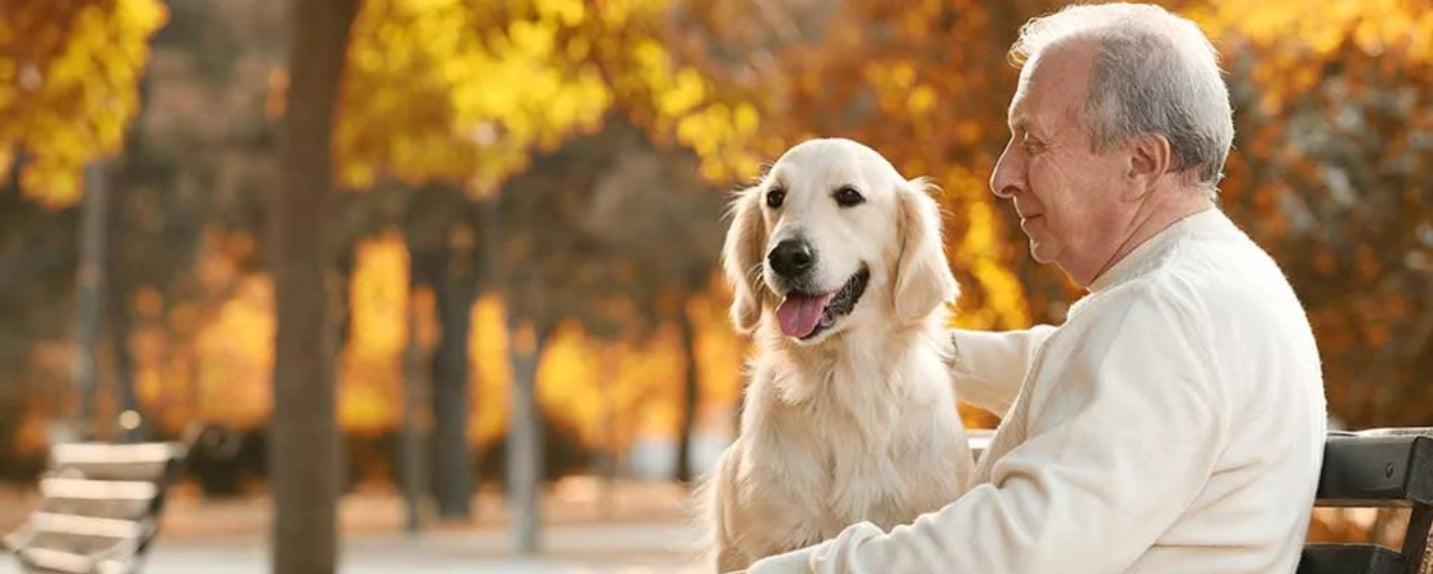
There’s something truly special about adopting a senior dog. Unlike younger dogs, who are full of energy and require continuous supervision, senior dogs bring a calm, steady presence into your life. Their predictable behaviors and settled temperaments allow for easy integration into your family. With a senior dog, you avoid the “puppy phase,” which often involves sleepless nights, frequent accidents, and endless training sessions. These dogs already know the basics and are eager to give and receive love. Moreover, senior dogs tend to form incredibly strong bonds with their adopters. Many have faced hardships such as being surrendered to shelters or losing their previous families, making them more grateful for the love and care they receive in their new home. This gratitude manifests in their behavior—they become incredibly loyal and affectionate, often seeking ways to please their new owners. In addition to their loving nature, senior dogs are perfect for people with more relaxed lifestyles. They don’t require high-energy activities and are content with shorter walks and plenty of cuddle time. Adopting a senior dog is about more than just gaining a pet—it’s about creating a meaningful connection with an animal that truly appreciates the second chance you’ve given them.
7 Things You Need to Know About Adopting a Senior Dog
1. Senior Dogs Have Lower Energy Needs
One of the greatest advantages of adopting a senior dog is their low energy level. Unlike puppies or young adult dogs, which demand constant playtime, exercise, and mental stimulation, senior dogs are content with shorter, leisurely walks and a relaxed pace. They won’t pull you into an exhausting routine but still enjoy interactive moments like gentle play or lounging by your side. This makes them ideal companions for individuals with busy schedules, elderly pet owners, or families who want a calm and steady presence at home. However, it’s important to remember that lower energy doesn’t mean no energy—senior dogs still benefit from regular exercise to maintain joint health and prevent obesity. Keeping them mentally engaged with toys, gentle games, or training exercises can also improve their overall well-being. The beauty of a senior dog’s energy level is its balance. They can match your calmness during quiet evenings but still light up with excitement when you bring out their leash. This unique combination of activity and tranquility makes senior dogs an excellent choice for anyone looking for a companion that fits into their life seamlessly.
2. They Come With an Established Temperament
One of the biggest perks of adopting a senior dog is knowing exactly what you’re getting. With puppies, their personalities are still developing, which can lead to surprises as they grow. Senior dogs, however, already have fully established temperaments, allowing you to choose one whose personality aligns perfectly with your household. Whether you’re looking for a laid-back couch companion or an independent spirit, you can find a senior dog that suits your lifestyle. This predictability is especially helpful if you have children, other pets, or specific expectations about your dog’s behavior. Knowing their temperament also makes it easier to integrate them into your routine. For example, if a dog is known to be calm and friendly, you can confidently introduce them to guests or take them on outings without worrying about unpredictable behavior. Additionally, shelters often assess the behavior of senior dogs and provide valuable insights, giving you a clear understanding of the dog’s personality before adoption. With a senior dog, you’re not rolling the dice—you’re welcoming a companion whose character is already clear, making the transition smoother and more enjoyable for everyone involved.
3. Many Are Already Trained
Training a puppy can be a long and sometimes frustrating process, but with a senior dog, you can skip this phase entirely. Most senior dogs already know the basics, such as being house-trained and responding to simple commands like “sit,” “stay,” or “come.” This is especially helpful for first-time dog owners or people with busy lifestyles who may not have the time to invest in extensive training. Even if a senior dog isn’t fully trained, their maturity makes them more receptive to learning new commands compared to excitable puppies. With patience and positive reinforcement, you can teach a senior dog new tricks and routines just as effectively. They’re eager to please and often thrive in structured environments, making training an enjoyable experience for both of you. Beyond practical training, many senior dogs have also been socialized, meaning they’re more comfortable in a variety of settings, such as walking in busy neighborhoods or interacting with other pets. Their learned behaviors and maturity mean you can spend less time on basic training and more time building a strong bond with your new companion.
4. They May Have Special Health Needs
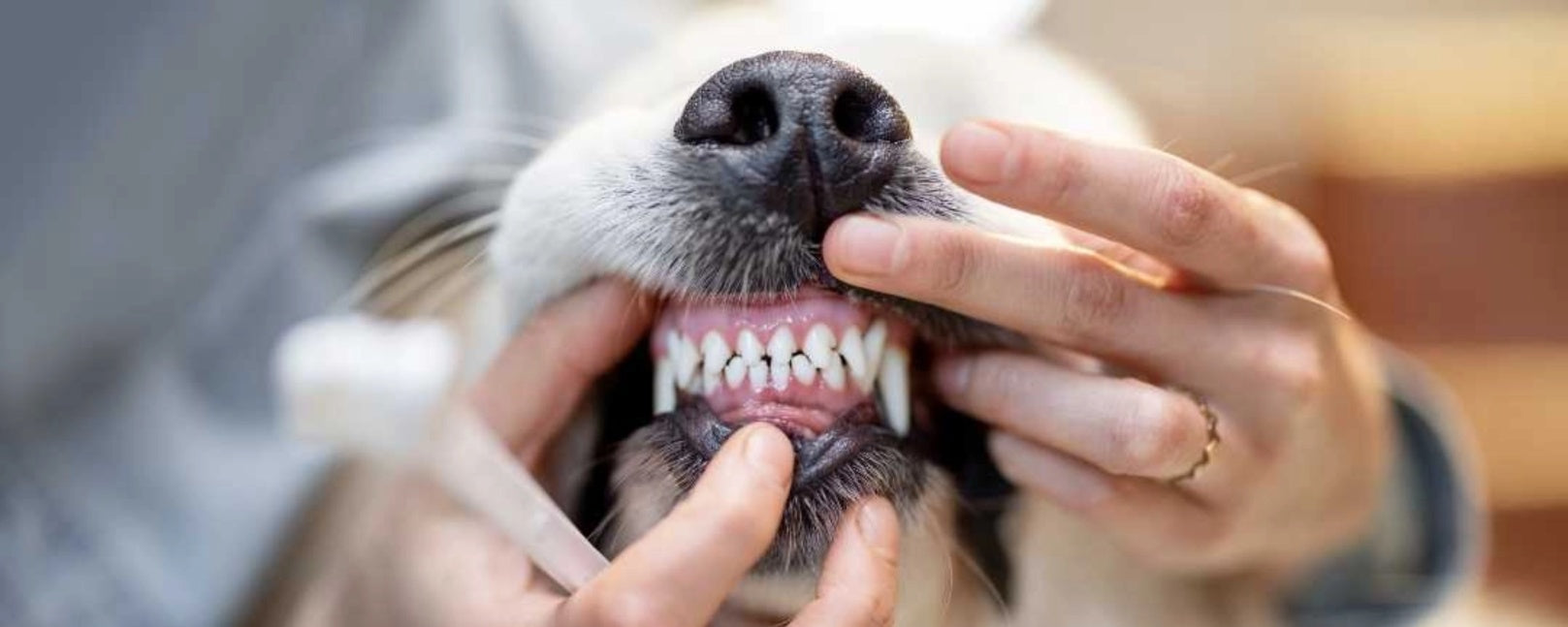
Adopting a senior dog comes with the responsibility of addressing their age-related health needs. While age itself isn’t a disease, senior dogs are more prone to conditions like arthritis, dental issues, and reduced vision or hearing. These challenges can be managed with proper care, but they may require a financial and time commitment for regular veterinary check-ups, medications, or specialized diets. It’s essential to discuss the dog’s medical history with the shelter or rescue organization before adoption. Knowing their health status allows you to prepare for any specific needs they may have. While some people may see this as a drawback, it’s important to view it as an opportunity to provide comfort and care during their golden years. Many senior dogs thrive when given the right support, and their gratitude for your efforts is unmatched. By meeting their health needs, you’re not just improving their quality of life—you’re creating a bond built on trust, love, and mutual care.
5. Senior Dogs Offer Instant Companionship
Unlike puppies, which often require months of socialization and adjustment, senior dogs are ready to settle into a new home almost immediately. They’ve likely experienced household routines before, which makes the transition smoother for both you and the dog. This means less stress and fewer surprises during the adjustment period. Senior dogs understand the dynamics of living in a home, whether it’s following a feeding schedule, responding to basic commands, or enjoying quiet moments with their owners. They’re also quick to adapt to new environments and relationships, showing love and loyalty from the moment they step through your door. This readiness to bond makes senior dogs ideal for people seeking a companion they can connect with right away. Whether it’s sitting by your side while you work or joining you for a relaxing walk, senior dogs bring an immediate sense of joy and companionship that makes them truly special.
6. They Appreciate Love Like No Other
There’s something deeply moving about the way senior dogs express gratitude. Many of these dogs have faced abandonment, loss, or long stays in shelters, which makes them even more appreciative of the love and care they receive in their new home. You’ll notice this gratitude in their affectionate behavior, whether it’s the way they follow you around, rest their head on your lap, or wag their tail every time you enter the room. This deep bond is one of the most rewarding aspects of adopting a senior dog. Unlike younger dogs who may take love and attention for granted, senior dogs truly cherish every moment spent with you. Their ability to connect on such an emotional level makes the relationship feel incredibly special, reminding you every day why adopting them was the right choice.
7. You’re Giving Them a Second Chance
Perhaps the most fulfilling part of adopting a senior dog is knowing that you’re giving them a second chance at happiness. Many senior dogs in shelters are overlooked simply because of their age, even though they have so much love to offer. By choosing to adopt a senior dog, you’re not only gaining a loyal companion but also making a meaningful impact on their life. Watching a senior dog thrive in a loving home is an unparalleled experience. You’ll see them regain their confidence, enjoy simple pleasures like a cozy bed or a sunny spot by the window, and form an unbreakable bond with you. This act of kindness is as rewarding for you as it is for them, proving that age is just a number when it comes to love and companionship.
Conclusion
Adopting a senior dog isn’t just an act of kindness—it’s a life-changing experience for both you and the dog. These mature companions bring a sense of calm, loyalty, and gratitude into your home, enriching your life in ways you never imagined. While they may require a little extra care, the rewards far outweigh the effort. Senior dogs deserve just as much love and attention as younger pets, and by adopting one, you’re giving them the chance to live out their golden years in a safe and loving environment. If you’re ready to open your heart and home, consider adopting a senior dog—you’ll not only change their life but also gain a companion who will fill your days with love and joy.