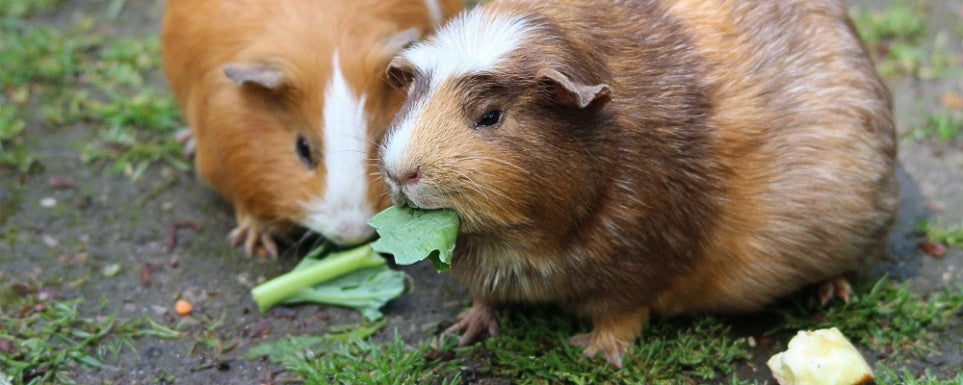
Hamsters are beloved pets for their small size, curious behavior, and playful nature. While their care may seem simple, hamsters have unique needs that require thoughtful attention to ensure their health and happiness. As responsible pet owners, we must create an enriched environment, provide a balanced diet, and offer regular care to keep them thriving. Unlike dogs or cats, hamsters have specific dietary, housing, and socialization requirements that need to be understood. The right care can lead to a longer, healthier, and happier life for your furry companion.
Housing and Habitat
Providing a proper living environment is essential for a hamster's well-being. Hamsters require a spacious cage with ample room to explore, play, and rest. Ideally, the enclosure should have at least 360 square inches of floor space, with more space being better. A wire cage with a plastic base or a glass tank with a secure mesh cover can work well. Ensure good ventilation and avoid enclosures with wire floors, as these can harm a hamster's feet.
Bedding and Substrate
The right bedding is essential for a hamster’s comfort and well-being. Opt for paper-based bedding, aspen shavings, or other dust-free materials. Hamsters love to burrow, so provide a deep layer of bedding (at least 6 inches) to allow for digging and tunneling. Avoid using cedar or pine shavings, as they contain aromatic oils that can irritate the respiratory system. Check the bedding regularly for signs of soiling and replace it as needed to maintain a clean and comfortable environment.
Enrichment and Toys
Hamsters are highly active and curious creatures that thrive on mental stimulation and exercise. To prevent boredom, offer a variety of toys, tunnels, exercise wheels (ensure they are solid-surfaced to avoid injury), and chew toys. Chewing is a natural behavior that helps keep their teeth healthy, as hamster teeth continuously grow. Rotating toys regularly keeps your hamster engaged and promotes exploration. Consider adding hideouts and climbing structures to encourage natural behaviors.
Nutrition and Diet
Hamsters require a balanced diet to meet their nutritional needs. Their diet should primarily consist of high-quality commercial hamster pellets or blocks. These are specially formulated to provide the necessary nutrients, including protein, fiber, vitamins, and minerals. Avoid relying solely on seed mixes, as hamsters tend to pick out their favorite seeds, leading to nutritional imbalances.
Fresh Foods
In addition to their staple diet, you can offer fresh vegetables, fruits, and grains in moderation. Suitable options include:
- Carrots, broccoli, and cucumbers: Provide fiber and essential vitamins.
-
Leafy greens like kale and spinach: Offer additional nutrients and variety.
- Apples (without seeds): A safe and nutritious treat.
Avoid citrus fruits, sugary foods, and anything that could cause digestive issues. Introduce new foods gradually to prevent stomach upset.
Foods to Avoid
Certain foods are toxic to hamsters, such as onions, garlic, chocolate, and processed human foods. Salted or heavily spiced foods should also be avoided. Always check the safety of any new food before offering it to your hamster.
Water Supply
Provide a constant supply of fresh water using a water bottle with a sipper tube. Clean the water bottle regularly to prevent bacterial growth and ensure that it functions properly.
Handling and Bonding
Building trust with your hamster takes time and patience. Start by allowing your hamster to acclimate to its new environment before handling. Offer treats from your hand and speak softly to create a sense of safety. Once your hamster feels comfortable, you can begin handling it more frequently. Use slow movements and always support their body with both hands, keeping them close to a flat surface in case they jump or squirm.
Tips for Safe Handling:
- Never wake a sleeping hamster: This can startle them and lead to defensive behavior.
- Handle with care: Hamsters are delicate and can be injured by rough handling.
- Respect their space: If your hamster shows signs of stress or fear, give them time to settle.
Hygiene and Cleaning
Keeping your hamster's habitat clean is essential for their health. Spot-clean the cage daily by removing soiled bedding, leftover food, and droppings. Perform a deep cleaning every one to two weeks, replacing the bedding entirely, disinfecting the cage, and washing toys and accessories with pet-safe cleaning products. Ensure the cage is dry before returning your hamster to its habitat.
Steps for Deep Cleaning:
1. Remove your hamster and place them in a secure, safe area.
2. Dispose of all soiled bedding and food remnants.
3. Wash all cage components with warm water and a pet-safe disinfectant.
4. Rinse thoroughly to remove any residue.
5. Replace with fresh bedding and reassemble the cage.
Socialization Needs
Not all hamsters have the same social needs. Syrian hamsters are solitary and should be housed alone to prevent fighting. Dwarf hamsters, on the other hand, may coexist with others if introduced carefully and provided ample space. Be sure to research your hamster's specific breed and needs to determine their socialization requirements. If housing multiple hamsters, closely monitor their interactions and separate them if any aggressive behavior arises.
Health Monitoring and Common Issues
Hamsters are prone to several health issues, including dental disease, respiratory infections, and digestive problems. Symptoms to watch for include:
- Weight loss or gain: A sudden change in weight may indicate illness.
- Lethargy or lack of activity: Reduced energy levels may signal a health issue.
- Difficulty breathing or nasal discharge: These symptoms may indicate respiratory infections.
- Overgrown teeth: Hamsters' teeth grow continuously, so provide chew toys to prevent overgrowth.
If you notice any concerning signs, consult a veterinarian experienced in small animal care promptly. Regular health checks and preventive care can help keep your hamster in good health.
Exercise and Enrichment
Hamsters need daily exercise to stay physically and mentally healthy. Provide a hamster-safe exercise wheel with a solid surface to prevent injury. Offer supervised playtime outside the cage in a secure, enclosed area to allow for exploration and exercise. This promotes bonding and helps prevent obesity and related health issues.
Creating a Stress-Free Environment
Stress can negatively impact your hamster's health and behavior. To minimize stress:
· Keep the cage in a quiet area away from loud noises and direct sunlight.
· Establish a consistent feeding and handling routine.
· Avoid frequent changes to the habitat.
Conclusion
Caring for a hamster involves meeting their physical, social, and dietary needs with thoughtful attention and patience. By creating a safe, enriched environment, offering a balanced diet, and handling your hamster with care, you can ensure their happiness and health. Building trust and understanding your pet's unique behaviors and preferences will deepen your bond and provide a fulfilling life for your furry companion. With the right care, your hamster will thrive and bring joy to your home.